Philippines Charts Economic Future with Record Budget: Opportunities and Oversight Challenges
Posted on 1/5/26

On January 5, 2026, President Ferdinand Marcos Jr. officially enacted the Philippines' largest national budget to date, a monumental ₱6.793-trillion fiscal plan for the upcoming year. Touted by the administration as a 'Build Better More' strategy, this ambitious blueprint is designed to be people-centered, prioritizing critical sectors such as education, healthcare, and social protection to foster inclusive growth. However, the historic signing has been met with considerable public skepticism, as various watchdog groups and critics have quickly flagged concerns, specifically pointing to ₱319 billion in questionable items and lingering controversies surrounding 'pork barrel' allocations, particularly within infrastructure and flood control projects.
This widespread doubt is further fueled by the nation's persistent history of stalled public works and ineffective project implementation, creating a significant hurdle for the administration. Without robust and immediate safeguards, there is a palpable concern that the unprecedented scale of this budget, rather than propelling the country towards inclusive growth and development, could inadvertently lead to substantial financial leakage and misuse of public funds, undermining its very objectives and potentially eroding public trust.
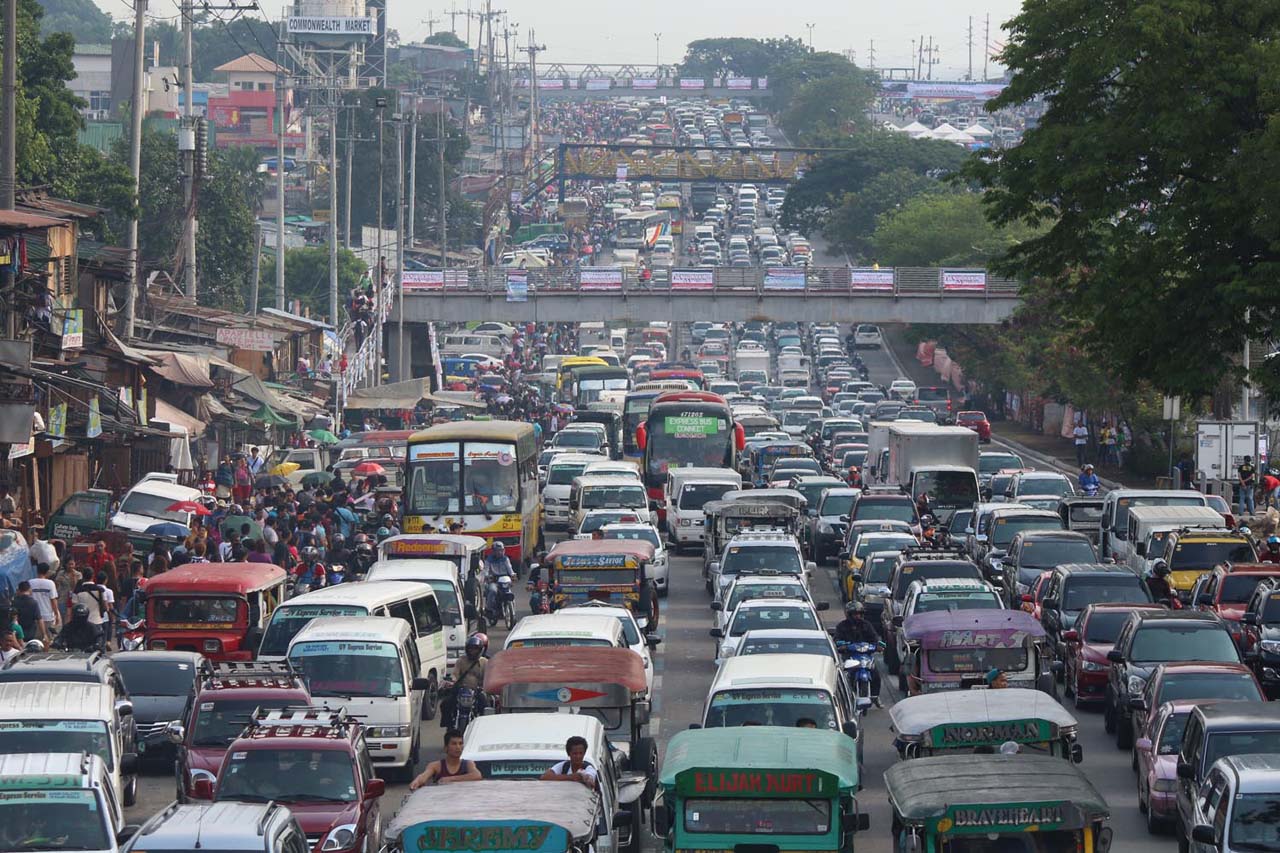
A cornerstone of the 2026 fiscal strategy is its continued heavy reliance on infrastructure spending, earmarking an estimated ₱1.5 trillion to ₱1.7 trillion – approximately 5% to 6% of the national GDP – for vital projects under the Departments of Public Works and Highways (DPWH) and Transportation (DOTr). These substantial investments are strategically aimed at revitalizing economic momentum by enhancing national connectivity, significantly lowering logistical costs for businesses, and ultimately stimulating both local and foreign investment across the archipelago, critical for long-term economic expansion.
Beyond traditional physical infrastructure, the government is also channeling significant resources into fortifying the nation's digital and entrepreneurial landscapes. The Department of Trade and Industry (DTI) is set to receive allocations aimed at bolstering Micro, Small, and Medium Enterprises (MSMEs), which are crucial engines of local employment and innovation. Simultaneously, the Department of Information and Communications Technology (DICT) is tasked with accelerating the country's digital transformation initiatives, with the dual goal of modernizing the digital ecosystem and reducing the overall 'cost of doing business,' thereby positioning the Philippines as a more attractive destination for foreign direct investment and high-value industries.
To safeguard the nation’s overall economic resilience and strengthen the Philippine Peso, the 2026 budget places a strong emphasis on fiscal stability and reducing import dependency. A substantial portion of the allocated funds is meticulously dedicated to debt servicing and proactively maintaining the country's crucial credit rating. This strategic financial discipline is paramount for ensuring the Peso remains stable amidst global market volatilities and for fostering long-term investor confidence, essential for sustained economic health.
Furthermore, significant investments are directed towards the Department of Agriculture (DA) with a clear mandate to substantially increase local food productivity. This initiative is designed to tackle critical economic challenges by narrowing the persistent trade deficit, cushioning the impact of global supply chain disruptions, and curbing inflationary pressures that directly affect household purchasing power. By strategically balancing massive infrastructure spending with crucial human capital development through the education sector, the budget aims to cultivate a more competitive workforce and nurture a self-sustaining economy, provided the government can effectively overcome its long-standing issues with transparency and fund utilization.
The ambitious 2026 budget presents a duality of immense potential and inherent risks. While it outlines a clear vision for economic acceleration and social upliftment, its success hinges critically on the administration's ability to ensure robust accountability, enforce stringent anti-corruption measures, and demonstrate unparalleled efficiency in project execution. For businesses and investors, the budget signals significant opportunities but also underscores the necessity of close monitoring regarding governance and implementation effectiveness to fully realize the promised economic benefits and drive sustainable national development.